Category: Fashion

Fashion stories from The Fashion in You

  • Street Fashion Is a Lesson in Personal Style

    Street Fashion Is a Lesson in Personal Style

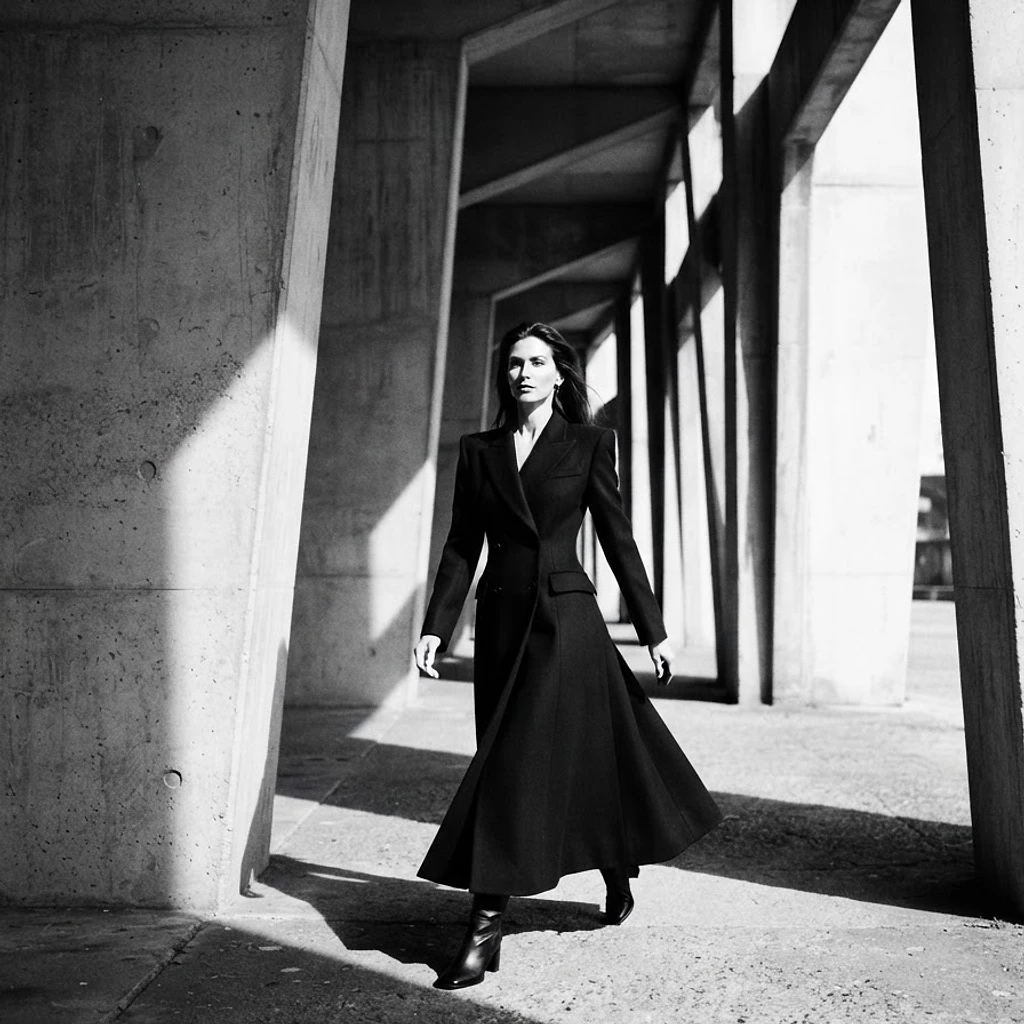
    Woman in a black coat walking through a concrete colonnade

    FASHION / THE JOURNAL

    Street Fashion Is a Lesson in Personal Style

    What the most memorable everyday outfits teach us about proportion, contrast and confidence.

    THE FASHION IN YOU · THE EDIT

    Street fashion is compelling because it moves. A coat opens in the wind, a sleeve is pushed up, a practical bag changes the line of a carefully chosen outfit.

    The best looks are not necessarily the most elaborate. They make a familiar piece feel newly alive through the way it is worn.

    RELATED READING
    Day Looks: Three Outfit Formulas That Travel Well →

    Watch the proportions

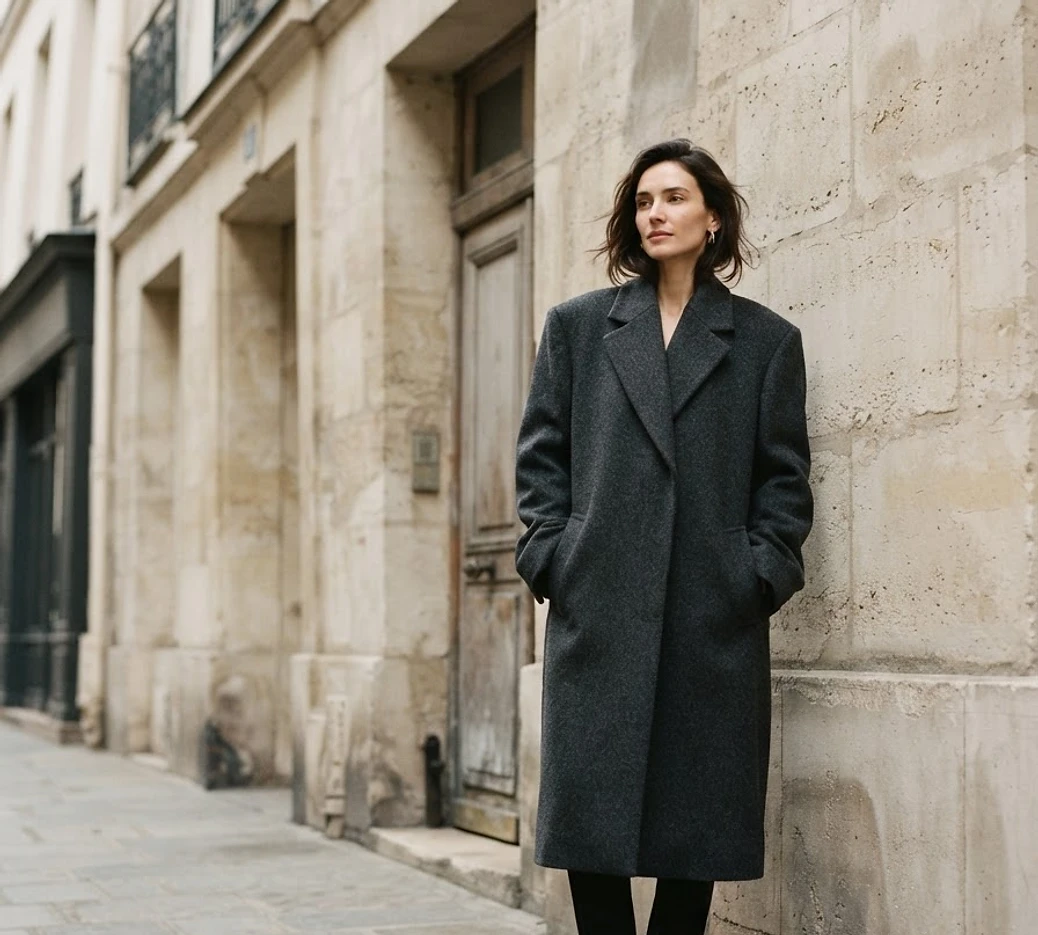
    Notice the relationship between pieces before identifying labels. A broad jacket may sit over a narrow skirt; a long, fluid coat may be anchored by a substantial shoe. The contrast gives the eye somewhere to rest. You can try the same idea with clothes already in your closet.

    “The street makes an outfit answer to real life.”

    Take the idea, not the costume

    Choose one point of tension. Put a crisp shirt with worn denim, or a delicate dress with a useful flat. When everything in an outfit has the same mood, it can feel staged. One contrast often brings it back to life.

    Pay attention to movement. A look photographed while standing still may not work on a bus or through a long afternoon. Test the length of a hem on stairs, the weight of a bag on your shoulder and whether a jacket closes comfortably. Street style is most persuasive when its wearer can actually live in it.

    Let an accessory do one job well. A scarf might introduce colour; a belt might give shape; a shoe might add weight. You need not ask each piece to be a statement. An outfit gains character when some elements are quiet enough to support the others.

    Keep your own references. If a photograph catches your eye, write down the decision you want to try: “wide over narrow” or “cream with charcoal.” Reproducing the whole look is less interesting than translating one useful idea into your wardrobe. Our guide to finding your own fashion style can help you identify what those saved looks have in common.

    Street fashion is not a shopping list. It is a reminder that clothes become style when a person wears them with intention, ease and a little room for accident.

  • Trending Shoes That Earn Their Place

    Trending Shoes That Earn Their Place

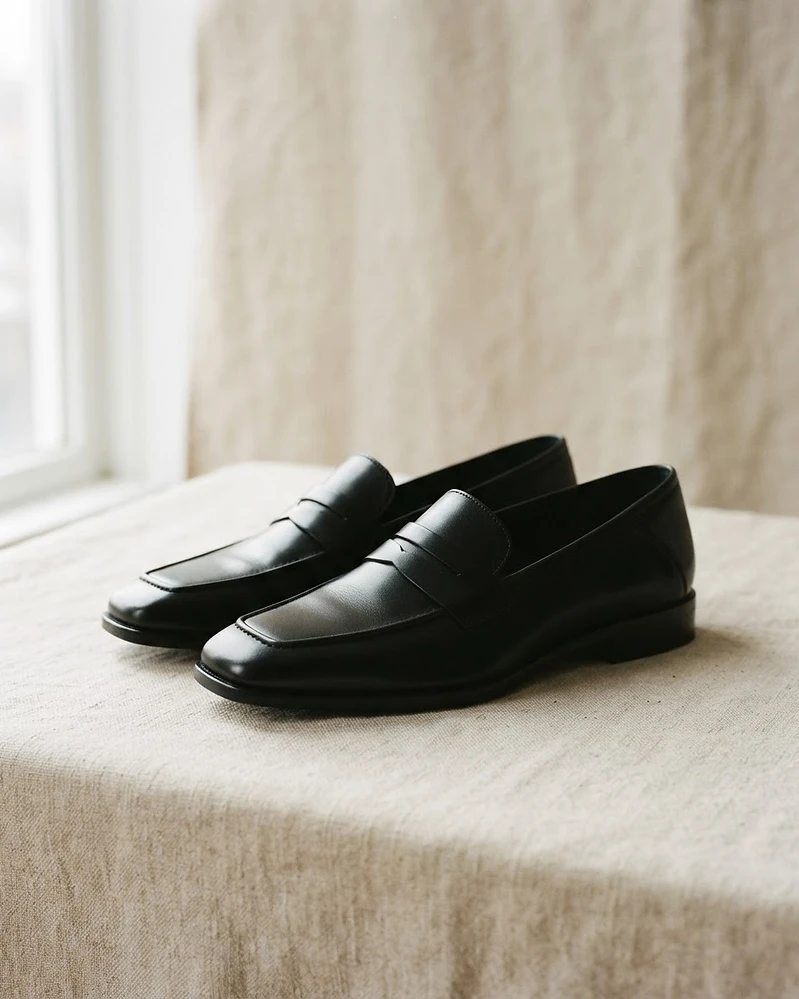
    Black leather square-toe loafers on linen

    FASHION / THE JOURNAL

    Trending Shoes That Earn Their Place

    How to enjoy a new shoe shape without buying a pair that only works for a photograph.

    THE FASHION IN YOU · THE EDIT

    Shoes can change the tone of clothes you already own. A sleek flat grounds a fluid dress; a sturdy loafer makes a soft trouser feel purposeful.

    The useful question is not whether a shoe is trending. It is whether you will still choose it after the novelty wears off.

    RELATED READING
    Day Looks: Three Outfit Formulas That Travel Well →

    Look below the headline

    Trend reports tend to name shapes; your day reveals whether those shapes work. Pay attention to the sole, the opening around the foot, the weight and the way the shoe meets your trouser hems. A beautiful pair that slips with every step will not become a staple.

    “A shoe earns its place one ordinary walk at a time.”

    A better fitting-room test

    Bring your real wardrobe into the decision. Try the shoes with at least two outfits you already wear. Look at the full silhouette, not only the foot. A chunky sole may balance a generous coat and overwhelm a narrow trouser; a fine flat can do the opposite. Neither effect is wrong if it feels intentional.

    Walk on a hard surface. A few steps on carpet reveal little. Check whether the heel lifts, the toe box presses or the shoe changes your stride. Feet vary, and sizing can vary even within a brand. Give comfort the same attention as colour and finish.

    Inspect the details. Look at stitching, the edge of the sole and how the upper joins it. Ask whether the material can be cleaned and whether a cobbler could replace a worn heel or sole. These checks do not guarantee longevity, but they make the purchase less of a guess.

    Think in roles, not quotas. You may need a weather-ready walking shoe, a polished everyday pair and something for occasions. You do not need every shape at once. A pair that fills a missing role is often more exciting to wear than the season’s most talked-about shoe.

    Take care of what you choose: let shoes dry between wears, clean them according to their material and repair small damage early. For the wider wardrobe that helps a pair work harder, see The Pieces Worth Keeping. Trends are most useful when they help you notice a shape you genuinely love.

  • Day Looks: Three Outfit Formulas That Travel Well

    Day Looks: Three Outfit Formulas That Travel Well

    Woman in an oversized charcoal coat against a limestone wall in Paris

    FASHION / THE JOURNAL

    Day Looks: Three Outfit Formulas That Travel Well

    Three easy ways to dress for a full day, from the first coffee to the last appointment.

    THE FASHION IN YOU · THE EDIT

    A good day look has to do more than look good at the door. It should survive the commute, the change in temperature and the moment plans run long.

    The answer is rarely a larger wardrobe. It is a few repeatable combinations that leave room for your own taste.

    RELATED READING
    Types of Fashion Styles: Find Your Own →

    Start with the day ahead

    Before choosing an outfit, check the weather, the amount of walking and the most formal place you will enter. Let the least flexible requirement set the base. Then make one small choice for pleasure: a silk scarf, an unusual earring or a colour you want to see all afternoon.

    “The best outfit is the one you can forget about wearing.”

    Three formulas to return to

    1. The soft structure. Wear straight or wide trousers with a fine knit and a jacket that has room at the shoulder. Keep the knit close to the body if the trouser is generous. A flat shoe makes it useful for a long walk; a polished bag gives it enough presence for a meeting. If you run warm, carry the jacket instead of building a look that depends on keeping it on.

    2. The relaxed column. Choose a skirt or dress with an uncomplicated line, then add a shirt or light layer in a similar tone. The near-continuous colour makes the outfit feel considered without much effort. Change the mood through texture: crisp cotton, dry linen or a soft wool layer. Our guide to wearing linen beyond summer has more ideas for those in-between days.

    3. The familiar contrast. Pair your most comfortable jeans with a shirt that has shape, or your best tailored trouser with a simple T-shirt. The contrast keeps either piece from feeling too precious. Add a belt only if it improves the fit, not because the outfit seems incomplete without one.

    Test the whole look. Sit down, walk a few steps, reach for your bag and try the outer layer. A sleeve that pulls or a shoe that pinches will matter more at four o’clock than it did in the mirror. Take a quick photograph if it helps you remember the combinations that worked.

    Repeat a formula as often as you like. Personal style is often a small set of reliable decisions, varied with the season and your mood, rather than a new idea every morning.

  • The Linen Season, Extended

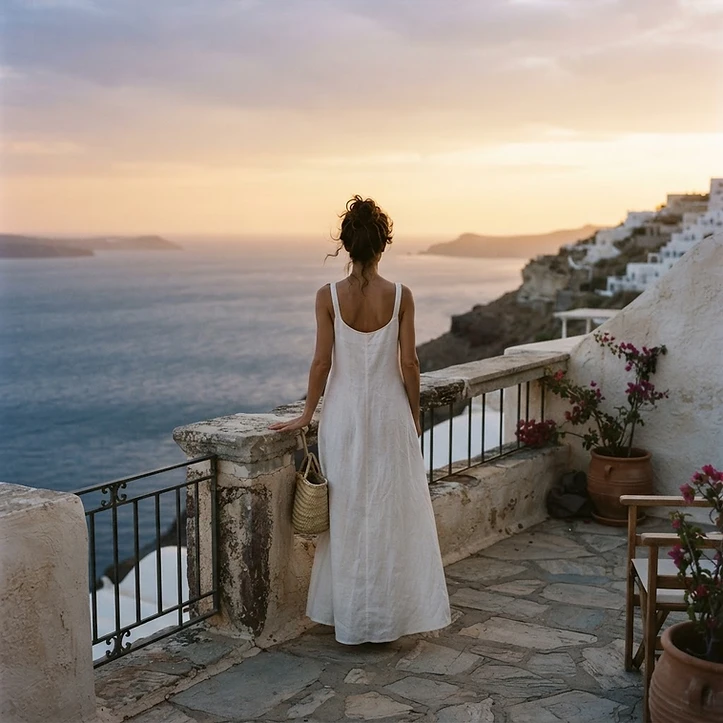
    Woman in an oatmeal linen shirt walking through a golden wheat field

    FASHION / THE JOURNAL

    The Linen Season, Extended

    How to carry summer’s most relaxed fabric gracefully into the first cool weeks of autumn.

    THE FASHION IN YOU · THE EDIT

    Linen does not have to be packed away in September. Layered under fine knitwear or a light wool jacket, it gains a new, softer character.

    Shift the palette

    Trade white and sky for oatmeal, tobacco and olive. The same shirt suddenly reads as autumnal. Espresso, charcoal and muted burgundy also work beautifully with linen’s dry, lived-in texture.

    Keep the summer pieces, change their company. A pale linen shirt feels different beneath a soft crew-neck knit, its collar and cuffs just visible. Wide linen trousers gain definition with a slim leather belt and a structured jacket. A loose linen dress can be paired with boots and a fine cardigan instead of sandals and a straw bag.

    Play with weight. The contrast is what makes transitional dressing interesting: airy linen against wool, polished leather against a rumpled sleeve, a crisp shirt under a relaxed coat. Keep one layer light so the outfit does not feel heavy all at once. On warm afternoons, remove the knit and let the linen do what it does best.

    Let colour connect the layers. You do not need an entirely new seasonal wardrobe. For the essentials that carry across seasons, see The Pieces Worth Keeping. Try one warm tone repeated in a scarf, bag or shoe, then anchor it with the linen you already own. The move from summer to autumn becomes a shift in emphasis, not a complete change of character.

    Choose the piece by the day. Linen is breathable, but an open weave is not a substitute for warmth on a cold morning. Check the weather and carry an outer layer when you need one. Darker, slightly weightier linen often feels more at home in the shoulder season, while very sheer pieces may be better saved for warmer days.

    Care for the fabric you have. Read the garment’s label before washing. Give pieces room to dry, smooth them while slightly damp if the care instructions allow, and decide which creases you want to keep. Linen’s movement is part of its appeal; a little soft structure is often more beautiful than a perfectly pressed surface.

    The point is not to pretend that summer has lasted longer than it has. It is to carry forward the ease you liked about it, dressed for the season now in front of you.

    “Creases are not a flaw. They are proof the clothes were lived in.”

  • The Pieces Worth Keeping

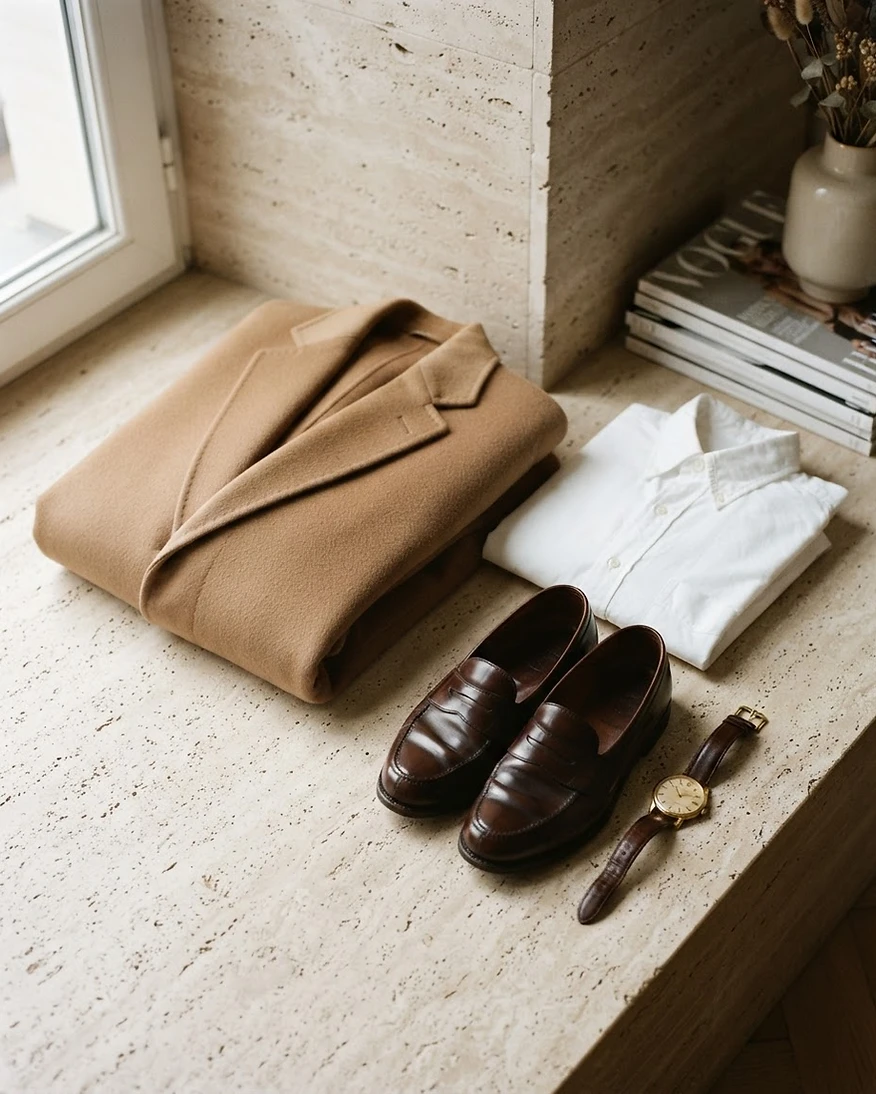
    A folded camel coat, white shirt, leather loafers and gold watch on travertine

    FASHION / THE JOURNAL

    The Pieces Worth Keeping

    Ten investments that outlast trends — and the details that separate a forever piece from a passing one.

    THE FASHION IN YOU · THE EDIT

    A wardrobe worth keeping is built slowly. It begins with a coat — camel, navy or charcoal — cut with enough ease to layer and enough structure to hold its line.

    What to look for

    Natural fibres, generous seam allowances, horn or corozo buttons, and linings that are stitched rather than glued. These are small signals of a garment made to last.

    “Buy the thing you will still reach for on an ordinary Tuesday, five years from now.”

    From there, build around the life you actually live. The following ten pieces are prompts, not a compulsory shopping list. Keep the ones that suit you, and replace the rest with your own essentials. For the thinking behind this approach, read The New Language of Quiet Luxury.

    1. The coat. Look for a shoulder that sits cleanly, room for a knit underneath and a hem that works with your everyday clothes. Check the lining and fastenings as carefully as the outside.

    2. The white shirt. Choose a cotton weight that is comfortable against your skin and opaque enough for the way you plan to wear it. A generous cuff and collar can make a simple outfit feel finished.

    3. The dark trouser. Find a rise you can sit in and a leg that falls well with your usual shoes. Hemming a good pair often makes more difference than buying another one.

    4. The lived-in jean. A flattering fit matters more than the wash currently being promoted. Walk, bend and sit before deciding; denim should belong to your day, not only to a fitting-room mirror.

    5. The fine knit. Choose a gauge and neckline that layer easily. Lift the garment to the light and inspect the seams, cuffs and care instructions. The best one will earn its place across seasons.

    6. The unforced blazer. It should add shape without asking you to stand still. Try it over a T-shirt and a shirt, then move your arms. Ease is part of elegance.

    7. The simple dress or equivalent. For some wardrobes this is a column dress; for others it is a matching shirt and skirt. The point is an outfit that comes together without negotiation.

    8. The dependable shoe. Whether you prefer loafers, boots or flats, look at the sole, stitching and comfort after more than a few steps. The shoe you can actually walk in will be worn.

    9. The everyday bag. Test its weight and strap length with your real belongings inside. A beautiful bag that is awkward to carry becomes a beautiful bag left at home.

    10. The finishing piece. A watch, belt or personal piece of jewellery can make familiar clothes feel yours. It need not be costly; it needs to mean something to you.

    Buy these slowly. Read fabric and care labels, repair what can be repaired and revisit your wardrobe before adding to it. The point of a lasting wardrobe is not possession. It is having fewer decisions to make and more pleasure in getting dressed.

    From there, add a crisp white shirt, a pair of dark leather loafers, a good watch. Nothing here is new — and that is precisely the point.

  • The New Language of Quiet Luxury

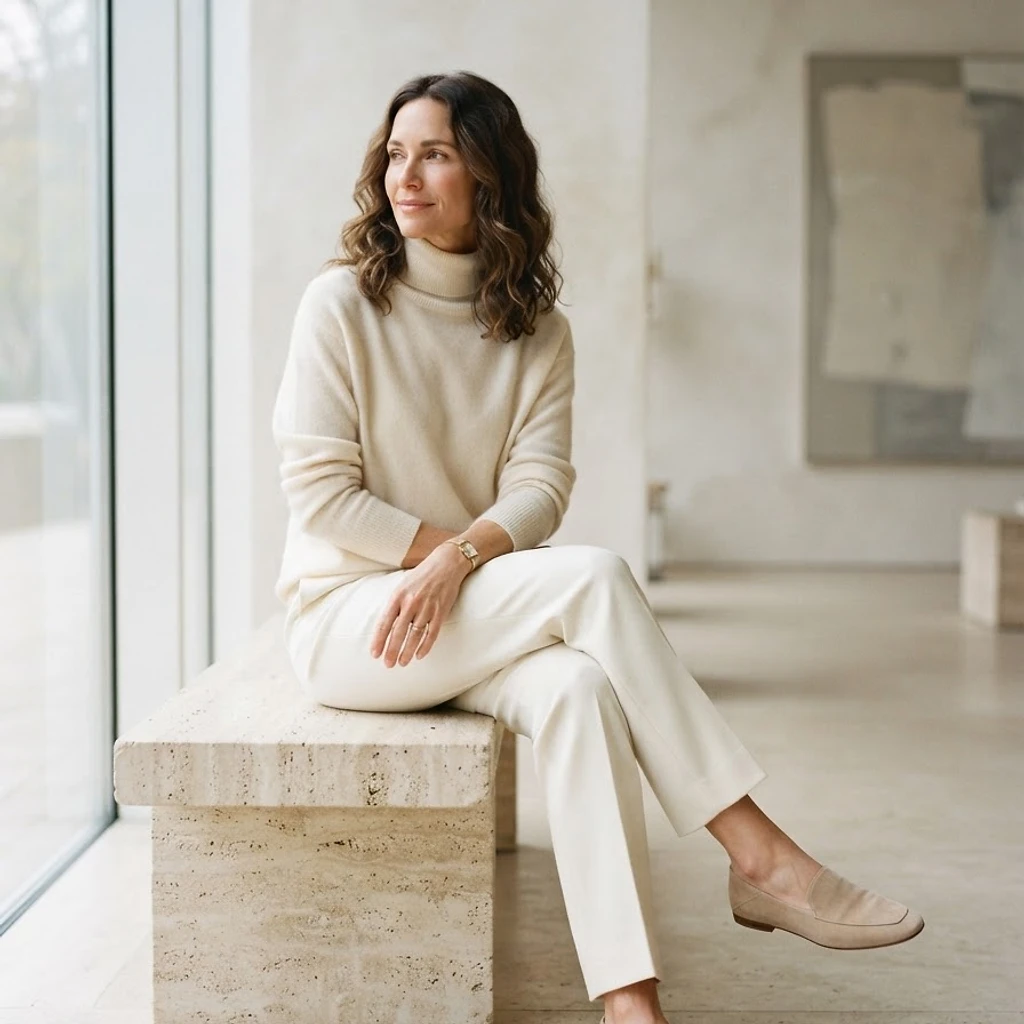
    Woman in cream cashmere seated in a sunlit gallery

    FASHION / THE JOURNAL

    The New Language of Quiet Luxury

    Luxury has stopped announcing itself. On the new codes of dressing — weight, cut, restraint — and why they now matter more than any logo.

    THE FASHION IN YOU · THE EDIT

    There was a time when luxury needed to be seen from across the room. A monogram, a buckle, a colour that belonged to one house alone. Today, the most expensive clothes in the room are often the ones you notice last.

    Quiet luxury is not an aesthetic so much as a discipline. It asks what a garment is made of, how it was cut, and whether it will still feel right in ten years. It rewards attention rather than recognition.

    Weight, not volume

    Pick up a well-made coat and the first thing you feel is its weight — the density of the wool, the way it settles on the shoulders. Weight communicates care in a way that no embellishment can.

    “Luxury no longer announces itself. It simply arrives — in the fall of a trouser, the silence of a well-cut seam.”

    Fewer, finer, forever

    The wardrobes we admire most are rarely large. They are edited: a handful of pieces worth keeping that work hard together, each chosen for how it feels in ordinary life rather than how it photographs on one perfect day. A quiet wardrobe is not restricted to beige. It might be ink, olive or aubergine; what matters is that the colours speak to one another.

    Begin with the silhouette. Before reading a label, look at where a shoulder seam sits, whether a trouser falls cleanly from the hip and how a jacket behaves when you move. A good fit leaves room to breathe. It does not need constant adjustment. Try the garment with the shoes and layers you actually wear, then look at it from the side as well as the front.

    Let material do the talking. Touch the fabric and read its composition. Wool can feel fluid or structured; cotton can be crisp or soft. Neither a high price nor a natural fibre automatically makes a piece right for you. Examine the stitching, lining and closures. If the finish is thoughtful where few people will see it, the garment is more likely to reward close attention.

    Buy for a life, not an image. Consider three real occasions in the coming month when you would wear the piece. If you have to invent a different lifestyle to justify it, pause. The most valuable purchase is often the coat you reach for every cold morning or the shirt that makes familiar trousers feel newly considered.

    Care is part of style. Brush a coat, repair a loose button, clean shoes and store knitwear with room to rest. Follow each garment’s care label. Small acts of maintenance preserve the line and texture that made you choose it in the first place.

    Quiet luxury, at its best, is less a rule about what to buy than a way of paying attention. The goal is not to look anonymous or expensive. It is to build a wardrobe that feels unmistakably yours, and to let its quality reveal itself over time.

  • Types of Fashion Styles: Find Your Own

    Types of Fashion Styles: Find Your Own

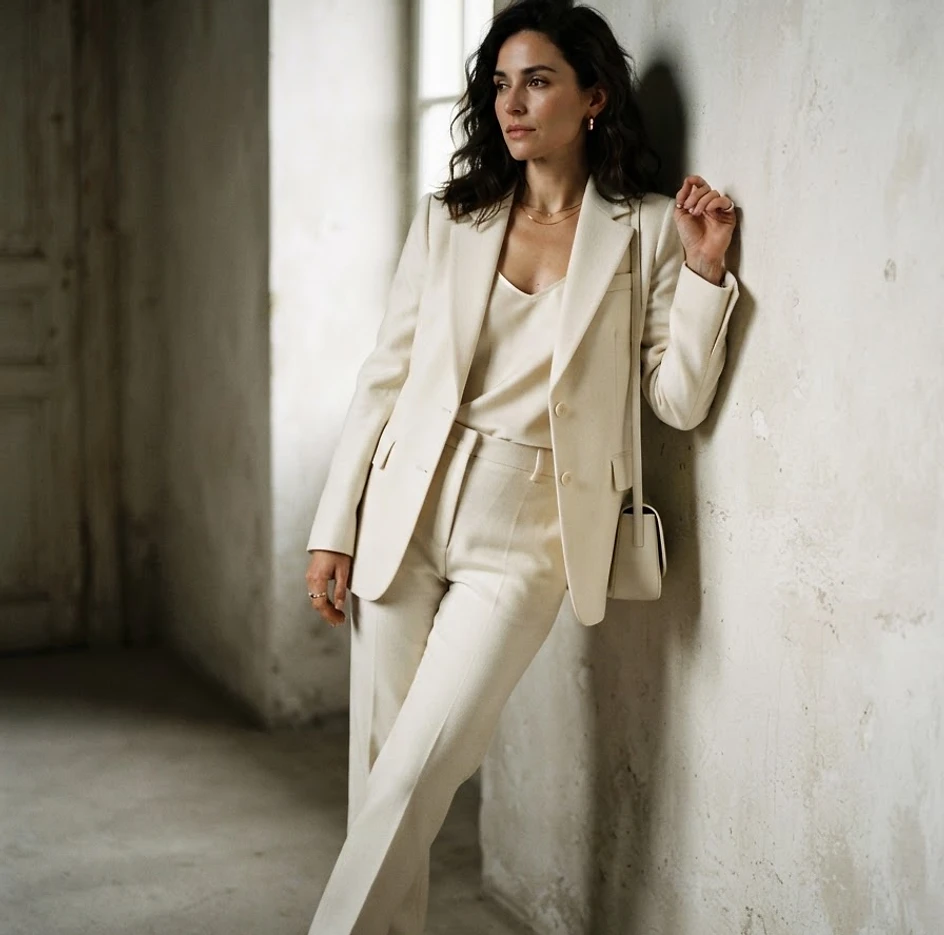
    Woman in cream tailoring beside a stone column

    FASHION / THE JOURNAL

    Types of Fashion Styles: Find Your Own

    A practical guide to the different clothing styles you admire—and the one that actually feels like you.

    THE FASHION IN YOU · THE EDIT

    A style label can be useful shorthand, but it should never become a uniform. The most interesting wardrobes borrow freely, then edit with conviction.

    If you have saved photographs of five very different outfits, look for the decision they share: a sharp shoulder, easy proportions, deliberate colour or a little tension between polished and undone.

    RELATED READING
    The New Language of Quiet Luxury →

    Name the feeling first

    Classic dressing favours clean lines and pieces that recur for years. Minimal style pares colour and detail back. Romantic style welcomes softness and movement. Street style often plays with scale, sport and unexpected combinations. None of these is a test you have to pass. They are starting points for noticing what appeals to you.

    “Personal style is what remains after the labels fall away.”

    Try, notice, edit

    Collect evidence from your own closet. Pull out five things you wear often, even when nobody will photograph you. Ask what makes them comfortable: the cut, the fabric, the colour, or how little thought they require. Then compare them with the looks you save online. The distance between the two is useful information, not a failure of imagination.

    Build three reference outfits. Make one for an ordinary day, one for a demanding day and one for an evening out. Use pieces you already own. If each outfit feels like a different person, find a small thread between them—a favourite silhouette, repeated jewellery or the same grounded shoes.

    Borrow one element at a time. A romantic blouse can sit with tailored trousers; a sporty jacket can sharpen a long skirt. Mixing styles becomes easier when the rest of an outfit stays familiar. Wear the experiment for a whole day before deciding whether it belongs in your life.

    Keep a personal vocabulary. Instead of writing “minimal” or “bohemian,” try three words such as relaxed, precise and warm. Use them when you shop or get dressed. A garment need not satisfy every word, but it should speak to at least one.

    Trends can offer fresh ideas without becoming instructions. For a quieter foundation beneath your experiments, read The Pieces Worth Keeping. The goal is not to discover a fixed type of fashion style. It is to notice what lets you move through your day as yourself.