FASHION / THE JOURNAL
The Pieces Worth Keeping
Ten investments that outlast trends — and the details that separate a forever piece from a passing one.
THE FASHION IN YOU · THE EDIT
A wardrobe worth keeping is built slowly. It begins with a coat — camel, navy or charcoal — cut with enough ease to layer and enough structure to hold its line.
What to look for
Natural fibres, generous seam allowances, horn or corozo buttons, and linings that are stitched rather than glued. These are small signals of a garment made to last.
“Buy the thing you will still reach for on an ordinary Tuesday, five years from now.”
From there, build around the life you actually live. The following ten pieces are prompts, not a compulsory shopping list. Keep the ones that suit you, and replace the rest with your own essentials. For the thinking behind this approach, read The New Language of Quiet Luxury.
1. The coat. Look for a shoulder that sits cleanly, room for a knit underneath and a hem that works with your everyday clothes. Check the lining and fastenings as carefully as the outside.
2. The white shirt. Choose a cotton weight that is comfortable against your skin and opaque enough for the way you plan to wear it. A generous cuff and collar can make a simple outfit feel finished.
3. The dark trouser. Find a rise you can sit in and a leg that falls well with your usual shoes. Hemming a good pair often makes more difference than buying another one.
4. The lived-in jean. A flattering fit matters more than the wash currently being promoted. Walk, bend and sit before deciding; denim should belong to your day, not only to a fitting-room mirror.
5. The fine knit. Choose a gauge and neckline that layer easily. Lift the garment to the light and inspect the seams, cuffs and care instructions. The best one will earn its place across seasons.
6. The unforced blazer. It should add shape without asking you to stand still. Try it over a T-shirt and a shirt, then move your arms. Ease is part of elegance.
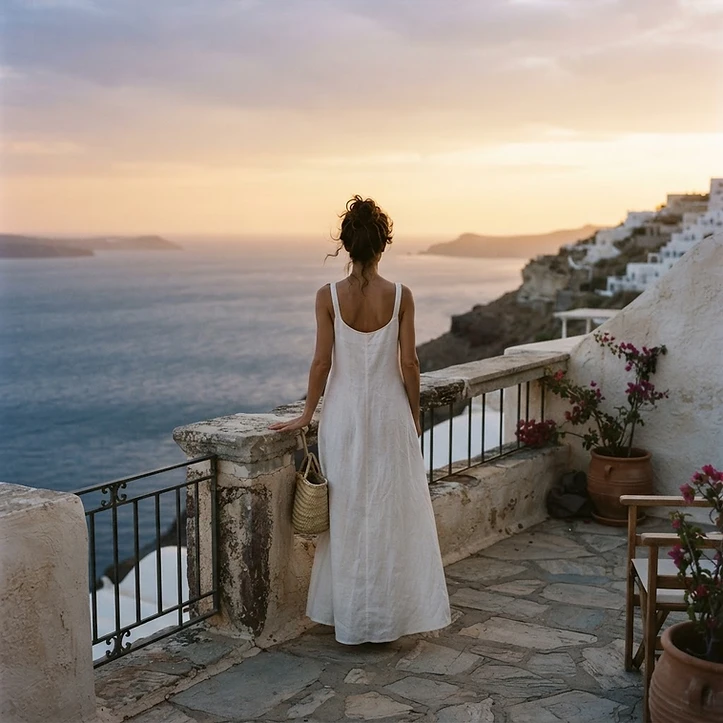
7. The simple dress or equivalent. For some wardrobes this is a column dress; for others it is a matching shirt and skirt. The point is an outfit that comes together without negotiation.
8. The dependable shoe. Whether you prefer loafers, boots or flats, look at the sole, stitching and comfort after more than a few steps. The shoe you can actually walk in will be worn.
9. The everyday bag. Test its weight and strap length with your real belongings inside. A beautiful bag that is awkward to carry becomes a beautiful bag left at home.
10. The finishing piece. A watch, belt or personal piece of jewellery can make familiar clothes feel yours. It need not be costly; it needs to mean something to you.
Buy these slowly. Read fabric and care labels, repair what can be repaired and revisit your wardrobe before adding to it. The point of a lasting wardrobe is not possession. It is having fewer decisions to make and more pleasure in getting dressed.
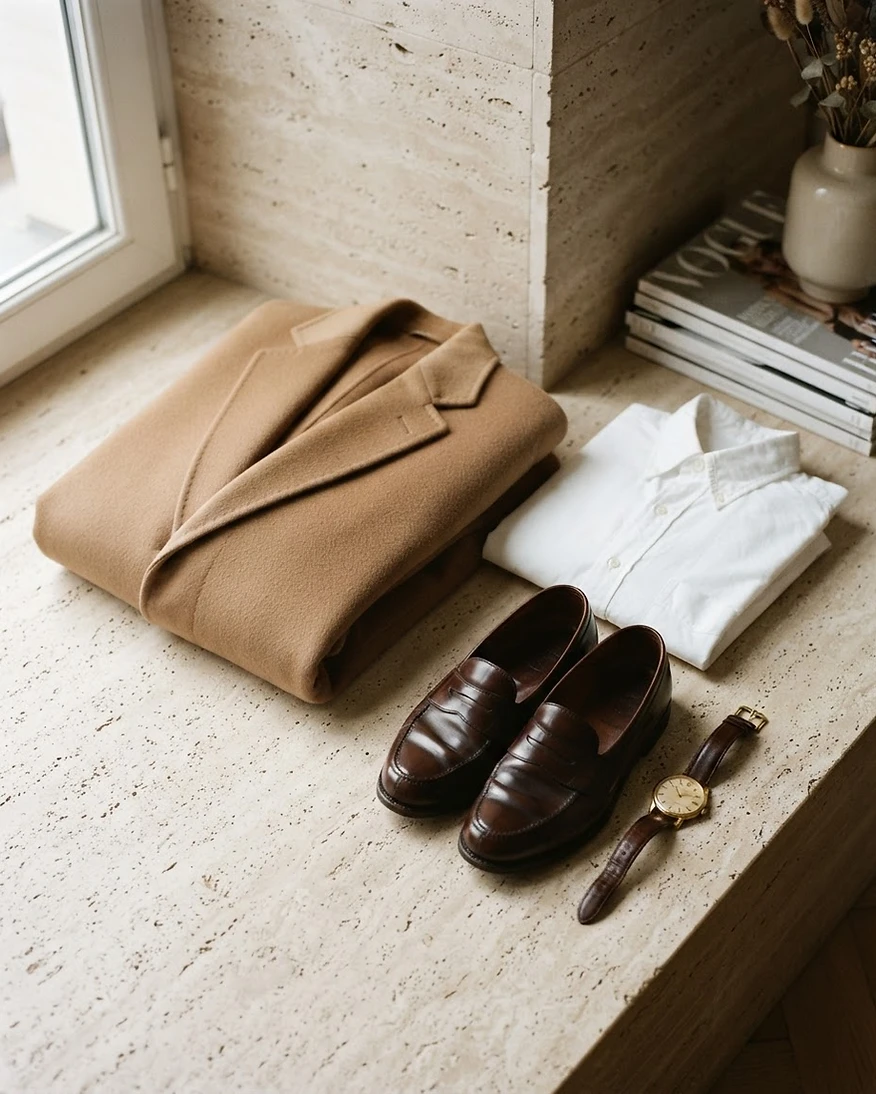
From there, add a crisp white shirt, a pair of dark leather loafers, a good watch. Nothing here is new — and that is precisely the point.
CONTINUE READING